
What is Knee Osteoarthritis (Arthritis in the Knee)?
Knee osteoarthritis is a common joint problem. It happens when the cartilage in your knee wears down over time. Because of this, the bones in your knee may rub together. This can cause pain, swelling, and stiffness. Many people call it “arthritis in the knee.” In fact, knee osteoarthritis is the most common type of arthritis in the knee. It mostly affects older adults, but younger people can get it too, especially after an injury.
Common Symptoms and Causes
People with knee osteoarthritis often notice certain symptoms. For example, you may feel pain when walking or climbing stairs. Sometimes, your knee may feel stiff, especially in the morning or after sitting. Swelling and a crunching feeling are also common. Over time, the pain can get worse.
There are several causes of knee osteoarthritis. Age is a big factor. As you get older, your cartilage naturally wears down. Other causes include:
Because these factors add up, it is important to watch for early signs.
Diagnosis and Medical Overview
Doctors diagnose knee osteoarthritis by asking about your symptoms and doing a physical exam. They may also order X-rays to see changes in your knee joint. Sometimes, an MRI is needed to look at soft tissues. Blood tests are not usually needed, but they can help rule out other types of arthritis.
According to the Centers for Disease Control and Prevention (CDC), early diagnosis helps manage symptoms better. If you notice ongoing knee pain or swelling, you should talk to your doctor. Early care can slow down the damage and improve your quality of life.
Yoga and Naturopathy: How They Help Knee Osteoarthritis
Yoga for knee osteoarthritis is gaining popularity. Many people find that gentle yoga can help reduce pain and improve movement. Yoga focuses on slow stretches, balance, and breathing. Because of this, it can help strengthen the muscles around your knee. Strong muscles support your joint and take pressure off it.
Naturopathy uses natural remedies for knee arthritis. This may include gentle movement, healthy eating, and stress reduction. Together, yoga and naturopathy can help you manage pain and feel better. Several studies suggest that yoga may lower pain and improve daily function in people with knee osteoarthritis.
Safe Yoga Poses and Practices for Knee Osteoarthritis
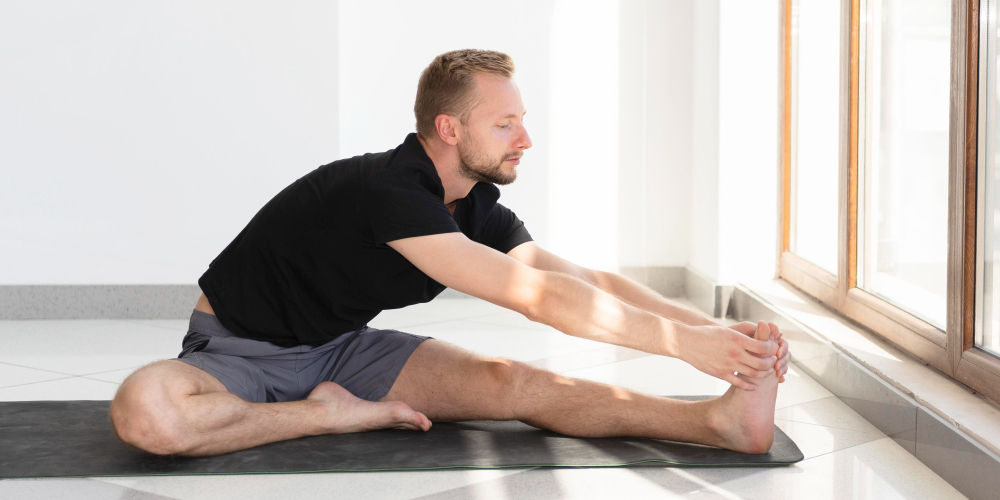
It is important to choose safe yoga poses if you have knee pain. Always start slowly and listen to your body. If you feel pain, stop right away. Here are some gentle yoga poses for knee pain relief with yoga:
Because every knee is different, you should work with a certified yoga therapist. They can show you safe ways to move and help you avoid injury.
Nutrition and Lifestyle Tips for Joint Health
Eating well can help your joints stay healthy. For example, foods rich in omega-3 fatty acids, like fish and flaxseed, may help reduce swelling. Fresh fruits and vegetables give your body vitamins and minerals. Staying at a healthy weight also takes pressure off your knees.
In addition, regular movement keeps your joints flexible. Even gentle walking or swimming can help.
Prevention and Self-Care Strategies
While you cannot always prevent knee osteoarthritis, you can lower your risk. For example, keeping a healthy weight reduces stress on your knees. Wearing proper shoes gives your joints better support. If you play sports, use the right gear and warm up before activity.
Because self-care is important, listen to your body and make changes as needed. Early action can help you stay active and independent.
Conclusion: Take the Next Step for Knee Health
Knee osteoarthritis can be managed with the right care. Yoga for knee osteoarthritis and natural remedies for knee arthritis may help reduce pain and improve movement. However, always consult a healthcare professional or certified yoga therapist for personalized advice on managing knee osteoarthritis.